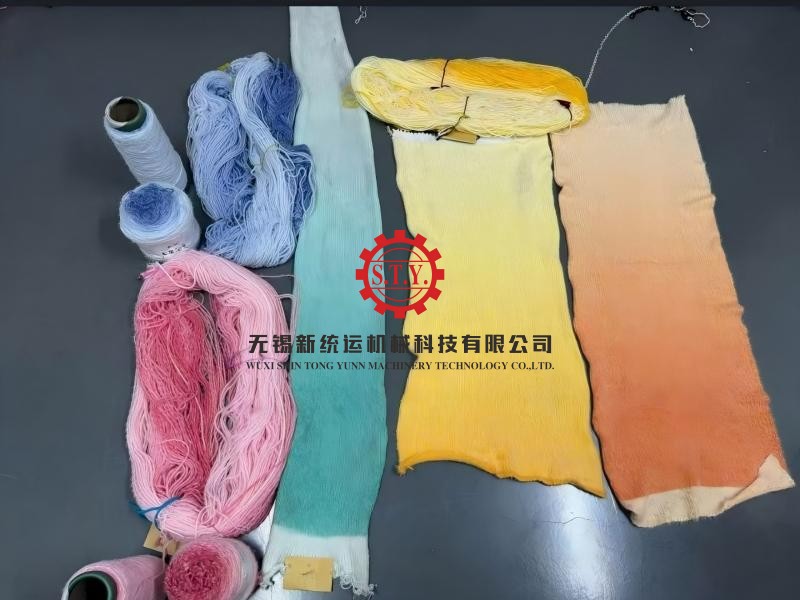
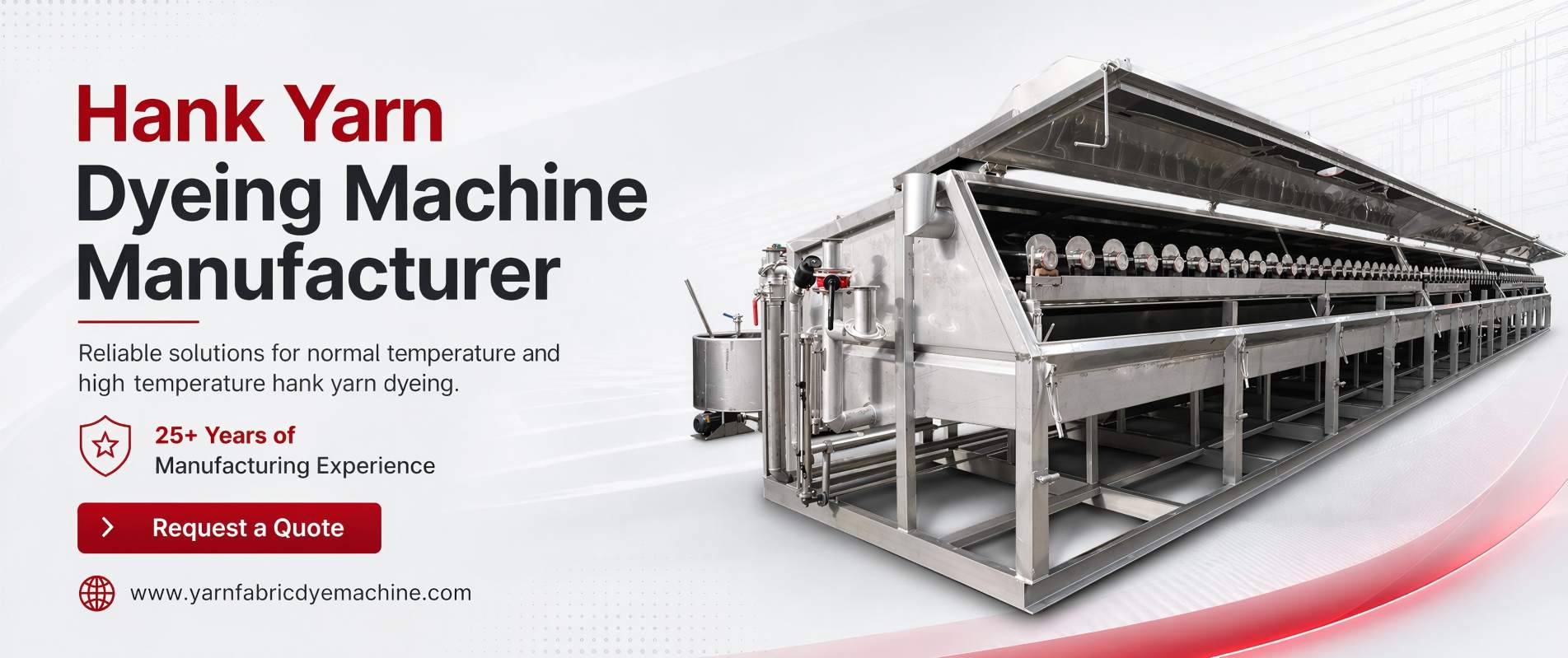
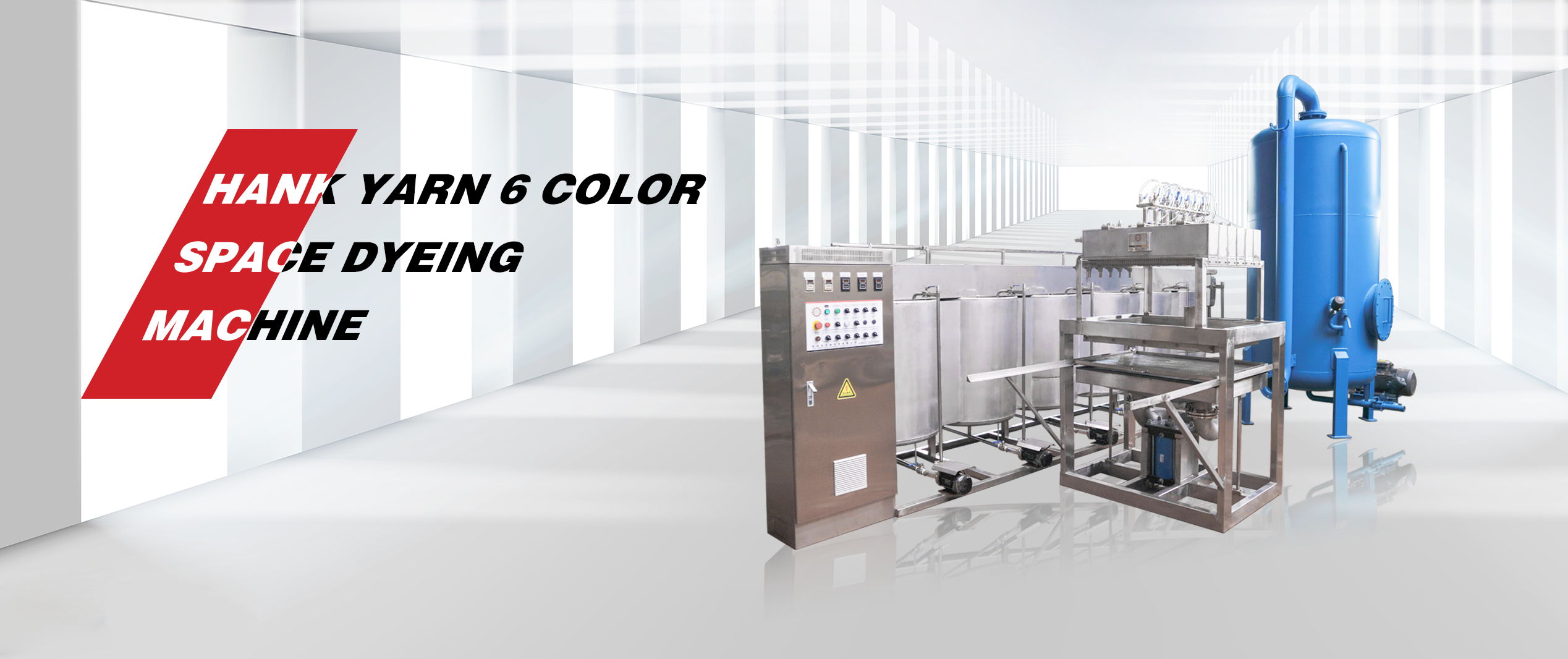
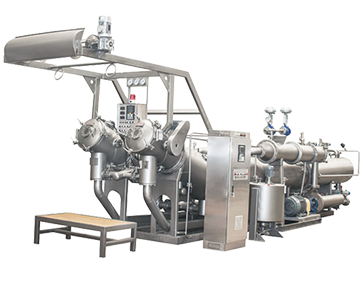
Hank / skein yarn dyeing is suitable for mills and dyeing factories that process yarn in hank form and need a dyeing route focused on gentle yarn handling, good dye penetration and stable shade consistency.
This application is often considered for cotton, viscose, rayon, wool, silk, acrylic, mercerized cotton and blended yarns when yarn appearance, softness and process flexibility are important in production.
* This page is designed to explain the application scenario first, then the common problems and only after that the recommended machine direction, so it does not become a product page with a different title.
This application is for…
This application is for yarn manufacturers, dye houses and textile processors that want to dye yarn in hank / skein form and need a process route that balances yarn protection, dyeing quality and production practicality.
Yarn is processed in hank / skein form instead of package form.
The process requires relatively gentle yarn movement during wet processing.
The dyeing factory needs practical route for bleaching, scouring, dyeing, washing or after-treatment.
The buyer wants to choose the machine direction according to yarn type, batch structure, temperature requirement and automation target.
The project needs a solution-oriented page, not a specification-heavy product page.
Common problems
In most real projects, buyers do not begin with a model number. They begin with problems in production, dyeing quality or process selection. These are the most common ones:
Uneven shades or weak batch repeatability caused by unsuitable circulation, process setup or machine direction.
Yarn handling concerns such as excessive tension, poor softness retention or unwanted impact on yarn appearance.
Wrong process route selection, especially when the user is unsure whether hank dyeing is the better option for the yarn and end use.
Capacity mismatch, where the selected machine is too small for production or too large for the real order pattern.
Temperature mismatch, where the user is unsure whether normal temperature or high temperature processing is needed.
Control-level uncertainty, especially when deciding between a simpler operating solution and a more automated process setup.
* That is why an Applications page should first explain the scenario and the problems, and only then guide the visitor toward a suitable machine type.
Recommended machine types
Once the application scenario is clear, the next step is to choose the right machine direction rather than push one fixed model immediately.
Hank Dyeing Machine Category
Suitable for users who are still comparing overall hank dyeing solutions and want to understand the main machine directions first.
View Hank Dyeing Machine Category
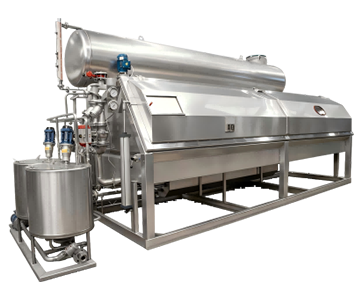
High Temperature Hank Dyeing Machine
Suitable for projects where the yarn material or dyeing target requires a high temperature process route.
View High Temperature Hank Dyeing Machines
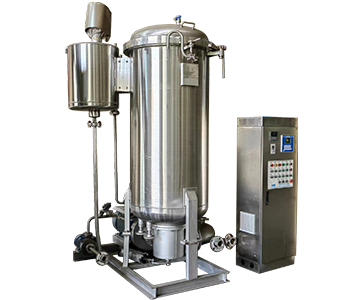
Normal Temperature Hank Dyeing Machine
Suitable for users looking for a normal temperature process direction for practical daily production needs.
View Normal Temperature Hank Dyeing Machines
How to choose capacity / temperature / control
How to choose capacity
Capacity should be chosen according to your real batch structure, not only according to the biggest batch you hope to run. If your business includes many colors, small lots, or frequent sample work, a smaller or more flexible direction may be more practical. If your orders are more stable and production-oriented, a larger batch capacity may fit better.
How to choose temperature
The choice between normal temperature and high temperature should be based mainly on yarn material, dye class, process target, and required production result. This decision should come from the process side first, not only from budget or machine appearance.
How to choose control
Control configuration should match your factory’s labor arrangement, operator experience, repeatability target, and investment plan. Some mills prefer a more practical semi-automatic setup, while others need a higher automation level for process consistency and management efficiency.
Information usually needed for recommendation
Yarn material and yarn count
Estimated batch capacity
Normal temperature or high temperature requirement
Main process target such as bleaching, scouring, dyeing, washing or after-treatment
Semi-automatic or fully automatic preference
Destination country and available utilities
FAQ
What is hank / skein yarn dyeing mainly used for?
It is mainly used for dyeing yarn in hank / skein form when the process requires practical yarn handling, good dye penetration and stable shade performance.
Which yarns can be considered for this application?
This application can be considered for cotton, viscose, rayon, wool, silk, acrylic, mercerized cotton, blended yarns and other yarns processed in hank form. Final selection still depends on the actual process target.
How do I know whether I need normal temperature or high temperature?
This depends on the yarn material, dyeing process and expected result. Once your yarn details and process target are clear, the suitable temperature direction can be recommended more accurately.
How should I choose machine capacity?
Capacity should be based on your actual production pattern, including batch size, order structure, and whether the project is more sample-oriented, multi-color or bulk-production oriented.
Should I choose semi-automatic or fully automatic control?
That depends on labor availability, operator skill, repeatability requirements and automation budget. Both directions can be suitable under different factory conditions.
What information should I send for a recommendation?
Please send your yarn material, batch capacity, temperature requirement, main process target and destination country. This will help narrow the recommendation much faster.
CTA
Need help choosing the right hank / skein yarn dyeing machine direction?
Send us your yarn type, batch size, temperature requirement and target process. We will recommend a suitable machine direction and reply with a quotation.
Request Machine Recommendation View Related Machine Types